9.9999% Yb(TMHD)₃ / Ytterbium(III) Tris(2,2,6,6-tetramethyl-3,5-heptanedionate)/ cas 15492-52-1
1, Product introduction:
| Product Name | Yb(TMHD)₃ |
| Chemical Name | Ytterbium(III) Tris(2,2,6,6-tetramethyl-3,5-heptanedionate) |
| Synonyms | Ytterbium(III) tris(dipivaloylmethanate); Yb(DPM)₃; Yb(thd)₃ |
| CAS Number | 15492-52-1 |
| EC Number | Not available |
| Molecular Formula | C₃₃H₅₇O₆Yb |
| Molecular Weight | 722.86 g/mol |
| CAS No. | 15492-52-1 |
| Concentration | ≥99.9999% (REO basis) |
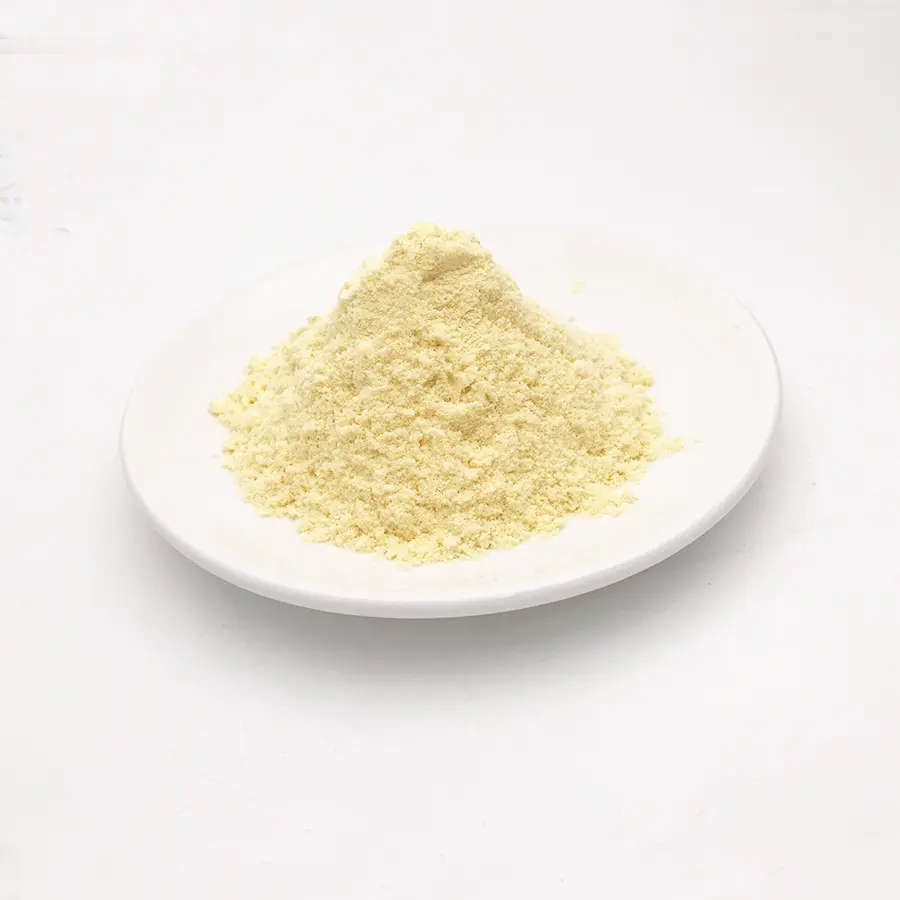
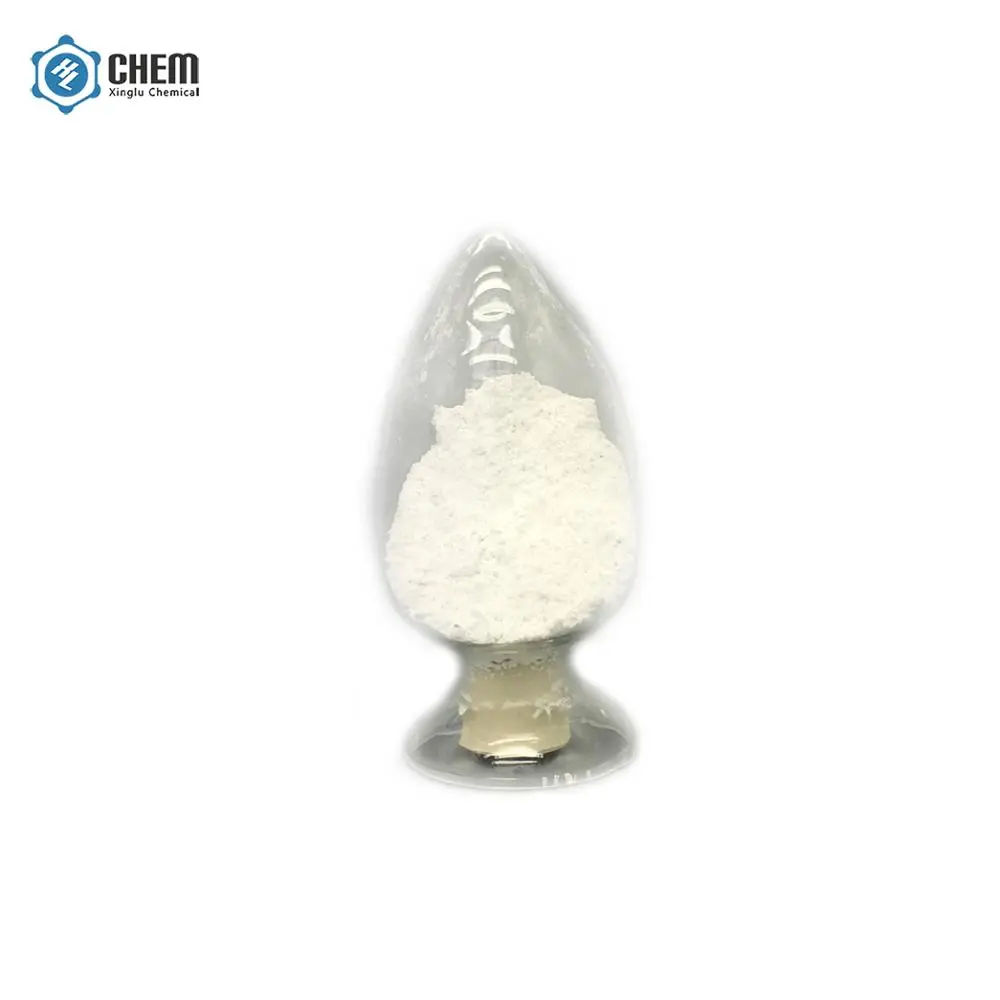
| Appearance | White to pale yellow crystalline powder |
| Odor | Characteristic organic odor |
| Melting Point | 165-170°C |
| Brand | Epoch |
| Solubility in Organic Solvents | Soluble in absolute ethanol,toluene, hexane, THF |
| Solubility in Water | Insoluble |
2.HAZARDS IDENTIFICATION
| Item | Information |
| GHS Classification | Not a hazardous substance or mixture according to Regulation (EC) No. 1272/2008 |
| Signal Word | Warning |
| Hazard Statements | H315 – Causes skin irritation H319 – Causes serious eye irritation H335 – May cause respiratory irritation |
| Precautionary Statements | P261 – Avoid breathing dust/fume/gas/mist/vapors/spray P305+P351+P338 – IF IN EYES: Rinse cautiously with water for several minutes P403+P233 – Store in a well-ventilated place. Keep container tightly closed |
3.FIRST-AID MEASURES
| Exposure Route | First Aid Measures |
| Inhalation | Move person to fresh air. If not breathing, give artificial respiration. Consult a physician. |
| Skin Contact | Wash off with soap and plenty of water. Consult a physician if irritation persists. |
| Eye Contact | Rinse thoroughly with plenty of water for at least 15 minutes and consult a physician. |
| Ingestion | Never give anything by mouth to an unconscious person. Rinse mouth with water. Consult a physician. |
4: FIRE-FIGHTING MEASURES
| Item | Information |
| Suitable Extinguishing Media | Use water spray, alcohol-resistant foam, dry chemical or carbon dioxide. |
| Special Hazards | Carbon oxides, rare earth oxides |
| Protective Equipment | Wear self-contained breathing apparatus for firefighting if necessary. |
5: ACCIDENTAL RELEASE MEASURES
| Item | Information |
| Personal Precautions | Use personal protective equipment. Avoid dust formation. Ensure adequate ventilation. |
| Environmental Precautions | Do not let product enter drains. |
| Cleanup Methods | Pick up and arrange disposal without creating dust. Sweep up and shovel. Keep in suitable, closed containers for disposal. |
6: HANDLING AND STORAGE
| Item | Information |
| Handling | Avoid contact with skin and eyes. Avoid formation of dust and aerosols. Provide appropriate exhaust ventilation at places where dust is formed. |
| Storage | Keep container tightly closed in a dry and well-ventilated place. Store under inert gas (nitrogen or argon). Moisture sensitive. |
| Storage Temperature | Room temperature (15-25°C) |
7: EXPOSURE CONTROLS/PERSONAL PROTECTION
| Item | Information |
| Exposure Limits | Contains no substances with occupational exposure limit values. |
| Respiratory Protection | Where risk assessment shows air-purifying respirators are appropriate, use a full-face particle respirator type N100 (US) or type P3 (EN 143) respirator cartridges. |
| Hand Protection | Handle with gloves. Nitrile rubber or neoprene gloves recommended. |
| Eye Protection | Safety glasses with side-shields conforming to EN166 or equivalent. |
| Skin Protection | Impervious clothing. The type of protective equipment must be selected according to the concentration and amount of the dangerous substance at the specific workplace. |
8: PHYSICAL AND CHEMICAL PROPERTIES
| Property | Value |
| Appearance | White to pale yellow crystalline powder |
| Odor | Characteristic organic odor |
| pH | Not applicable |
| Melting Point | 165-170°C |
| Boiling Point | Not available |
| Flash Point | Not available |
| Solubility in Water | Insoluble |
| Solubility in Organic Solvents | Soluble in absolute ethanol,toluene, hexane, THF |
| Vapor Pressure | Not available |
| Density | Not available |
9: STABILITY AND REACTIVITY
| Item | Information |
| Stability | Stable under recommended storage conditions. |
| Conditions to Avoid | Heat, moisture, exposure to air |
| Incompatible Materials | Strong oxidizing agents, strong acids, strong bases |
| Hazardous Decomposition Products | Carbon monoxide, carbon dioxide, ytterbium oxide fumes |
10: TOXICOLOGICAL INFORMATION
| Item | Information |
| Acute Toxicity | No data available |
| Skin Corrosion/Irritation | Causes skin irritation |
| Serious Eye Damage/Irritation | Causes serious eye irritation |
| Respiratory or Skin Sensitization | No data available |
| Germ Cell Mutagenicity | No data available |
| Reproductive Toxicity | No data available |
| Specific Target Organ Toxicity | No data available |
| Aspiration Hazard | No data available |
-
Holmium fluoride |HoF3 |CAS 13760-78-6| Hot sale
-
Praseodymium (III) Bromide | PrBr3 powder | CAS...
-
Neodymium fluoride| Manufacturer| NdF3| CAS 13...
-
Gadolinium Zirconate(GZ)| Factory Supply| CAS 1...
-
Lutetium Fluoride| China factory| LuF3| CAS No....
-
Gadolinium (III) Bromide | GdBr3 powder | CAS 1...